

What you may not know about high BP
May 24, 2026Hypertrophic Cardiomyopathy: Silent Heart Condition Know About
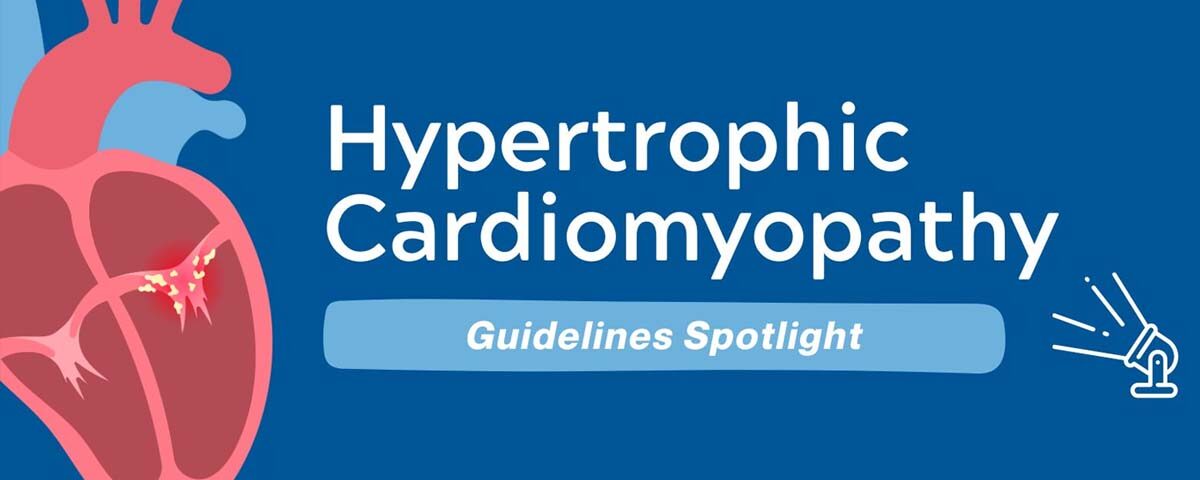
Most people don’t know what Hypertrophic Cardiomyopathy (HCM) is until a sad story in the news. A youthful athlete collapses onto the field. A young adult who looks healthy suddenly passes out on the subway. Young athletes, from high school fields to professional arenas, sometimes suffer sudden cardiac arrest without warning. Families wonder how someone so young, fit, and full of life could have hidden heart disease.
The Lesson of Hidden Heart Disease
The tragic story of Hank Gathers brought attention to hypertrophic cardiomyopathy. On the other hand, it advanced medical knowledge, which in turn improved patient care. That realization now saves thousands of lives annually.
Why This Matters Today
HCM is not uncommon. It actually affects 1 out of every 500 people, and many people don’t find out they have it until something serious happens. People who are young and active may think they are “just out of shape” or “overexerted” and ignore symptoms like fainting, chest pain, shortness of breath, or palpitations. While some people never feel symptoms, others experience serious complications.
Warning Signs of Hypertrophic Cardiomyopathy
- Difficulty breathing even when lightly exerted
- Aching or pressing in the chest that feels like angina
- Unexplained lightheadedness or fainting, especially with physical activity
- Heart palpitations (skipped beats, fluttering, or pounding)
- A family history of sudden cardiac death
Pay attention to your body, know your family history, and don’t ignore warning signs. HCM is manageable—but only if you know it’s there.
The Modern Approach
Today, things are different. Echocardiograms, genetic testing, and cutting-edge imaging are now our go-to diagnostic tools. Additionally, we have more effective treatments, such as symptom-controlling drugs, operations to reduce thickening heart muscle, and life-saving implanted defibrillators (ICDs).
However, here is the most important thing to remember: you can only receive treatment if you receive a diagnosis. Do not delay if you have a family history of sudden cardiac death or if you have ever lost consciousness unexpectedly. Ask your physician if you should undergo an examination.
Who’s at Risk for Hypertrophic Cardiomyopathy?
HCM is commonly inherited. If the condition is in your family, talk to your doctor about genetic testing or echocardiography. If the condition remains unidentified, athletes and young people are more susceptible to sudden cardiac arrest.
Hypertrophic Cardiomyopathy Treatments
The good news: HCM can be managed. Treatments depend on severity but may include:
- Lifestyle adjustments (avoiding strenuous competitive sports)
- Medications to help the heart pump more effectively and control rhythm
- Procedures or surgery to thin thickened heart muscle if blood flow is blocked
- Implantable defibrillators (ICDs) for those at risk of dangerous arrhythmias


1 Comment
Hi, this is a comment.
To get started with moderating, editing, and deleting comments, please visit the Comments screen in the dashboard.
Commenter avatars come from Gravatar.